
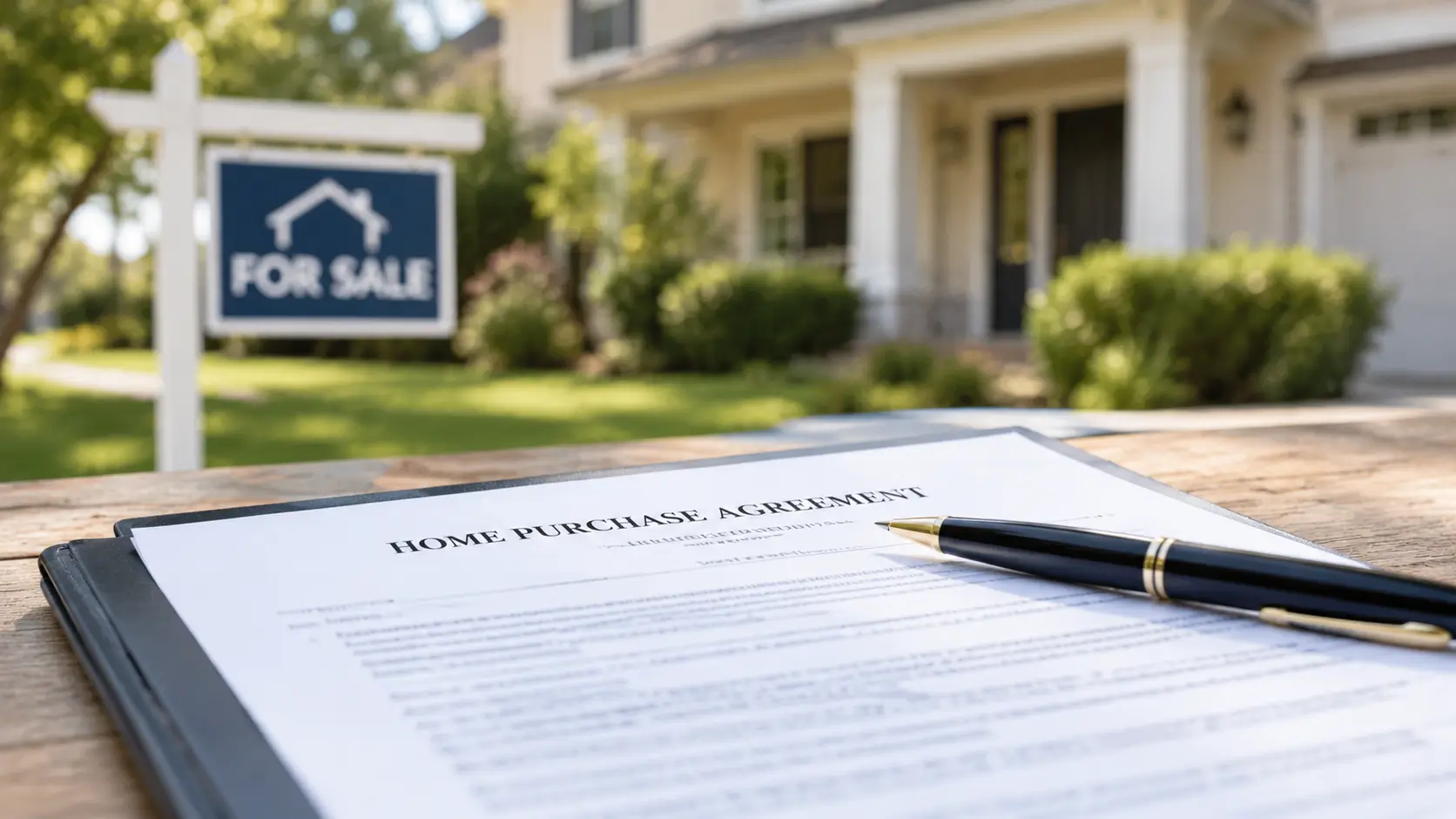
You are scrolling through listings, you find a home you like, and then you see the word “contingent.” Is it sold? Is it still available? Can you still see it?
The contingent meaning on a house is simple: the seller has accepted an offer, but the sale is not final yet. It still depends on certain conditions being met, such as a home inspection, mortgage approval, or the buyer selling their own home.
This guide explains what contingent means on a real estate listing, which conditions are involved, how it differs from pending, and what you can do if you want a home that is already contingent.
Contingent Meaning on a House: The Short Answer
A contingent house has an accepted offer and a signed contract, but the contract includes one or more conditions (called contingencies) that must be satisfied before closing.
Think of it as a deal with a few “if” statements attached. If every condition is met, the sale moves forward. If one fails and cannot be fixed or renegotiated, the contract can be cancelled and the house usually goes back on the market.
Contingencies exist mainly to protect the buyer. They give the buyer a legal way to step back, and in most cases get the earnest money deposit refunded, if something goes wrong.
What Does Contingent Mean on a Real Estate Listing?
On sites like Zillow, Redfin, Realtor.com, and your local MLS, “contingent” is a listing status. It tells you where the home sits in the sale process.
| Status | What it usually means | Can you still make an offer? |
|---|---|---|
| Active | No accepted offer. Open for offers and showings. | Yes |
| Contingent | Offer accepted, but conditions are still open. | Often yes, as a backup offer |
| Pending | Conditions are cleared or none apply. Waiting to close. | Rarely, but ask your agent |
| Sold | Closed. Ownership has transferred. | No |
One caution: these labels are not identical everywhere. Some local MLS boards use “contingent” and “pending” slightly differently, so always check the listing details or ask your agent what the status means in your area.
Common Contingencies in a House Sale
Most contracts include at least one contingency. In a 2023 Zillow survey of buyers, about two-thirds said their offer depended on passing a home inspection, and around six in ten said it depended on getting a mortgage.
Home Inspection Contingency
The buyer gets a set window, often 7 to 14 days, to have the home professionally inspected. If the report shows major problems, the buyer can ask for repairs, request a price reduction or credit, or cancel the contract.
Financing (Mortgage) Contingency
This protects the buyer if the loan is not approved by a deadline. Even with a pre-approval letter, final approval can still fail because of a job change, new debt, or an underwriting issue. Financing windows commonly run around 21 to 30 days, but the exact date is in the contract.
Appraisal Contingency
The lender orders an appraisal to confirm the home is worth the agreed price. If it comes in lower, the buyer can renegotiate the price, cover the gap with extra cash, or walk away if the contingency is still active.
Home Sale Contingency
The buyer’s purchase depends on selling their current home first. Sellers often dislike this one because it adds uncertainty, so it is more common in slower markets than in competitive ones.
Title Contingency
A title search checks that the seller has clear legal ownership with no hidden liens or disputes. If the title has problems that cannot be cleared, the buyer can exit the deal.
Types of Contingent Status You Will See on Listings
Many listings add a short label after “contingent.” These labels tell you how open the seller still is.
Contingent, Continue to Show. The seller accepted an offer but the home is still available for tours. This is a good sign if you want to submit a backup offer.
Contingent, No Show. The seller has stopped showing the property. The deal is more likely to go through, though it can still fall apart.
Contingent With a Kick-Out Clause. This usually appears when the buyer’s offer depends on selling their own home. The seller keeps marketing the property. If a stronger offer arrives, the first buyer gets a short window (48 hours is a common example) to remove the home-sale condition or step aside.
Contingent Short Sale. The seller is asking their lender to approve a sale for less than what is owed on the mortgage. This approval can take a long time, so these deals often move slowly and carry extra uncertainty.
Contingent vs Pending vs Under Contract
Contingent means there is an accepted offer and at least one condition is still unresolved.
Pending usually means all conditions have been cleared and the sale is waiting for final paperwork and closing.
Under contract is the broadest term. It simply means a contract is signed, and it can describe either a contingent or a pending home.
The practical difference for you is odds. A contingent home still has a real chance of coming back, while a pending home rarely does.
Can You Still Make an Offer on a Contingent House?
Often, yes. Contingent does not mean gone. Because the first deal can still collapse, many sellers are happy to have a backup offer waiting.
A backup offer puts you next in line. If the first contract is cancelled, yours can become the primary contract, usually without the seller restarting the whole process.
Here is how to approach it:
- Ask your agent to contact the listing agent. Find out which contingency is open and whether the seller is accepting backups.
- Get a full pre-approval ready. If the home reopens, speed matters.
- Keep your offer clean. Fewer conditions make your backup more attractive.
- Keep looking at other homes. A backup offer is not a guarantee.
How Long Does a House Stay Contingent?
There is no single answer because it depends on which contingencies are in the contract. Inspection and financing conditions often resolve within a few weeks, and many purchases close roughly 30 to 60 days after the offer is accepted.
Home-sale contingencies and short sales can take much longer. If a home has been contingent for a long time with no status change, the deal may be stalled, so ask your agent for an update.
Why Do Contingent Deals Fall Through?
The two most common reasons are failed financing and a bad inspection. Other triggers include a low appraisal, title problems, or the buyer not being able to sell their current home in time.
When a home shows as contingent more than once, it does not always mean something is wrong with the house. It can simply be a run of buyers who could not secure financing. Still, a repeated cycle is worth asking about, especially if the price has dropped. Ask your agent whether inspection issues were behind the earlier cancellations.
Here are two illustrative examples:
Inspection example: A buyer offers $300,000. The inspection finds a roof leak that needs about $6,000 in repairs. Because the contract has an inspection contingency, the buyer asks for a $6,000 credit. The seller agrees and the sale continues.
Appraisal example: The same buyer’s lender appraises the home at $285,000. The buyer can ask the seller to lower the price, bring extra cash for the $15,000 gap, or cancel if the appraisal contingency is still active.
What Contingent Means for Buyers and Sellers
If You Are a Buyer
Contingencies protect your money and give you time to check the home and your financing. Before you waive any of them to win a bid, understand the risk. Waiving the inspection or appraisal condition can leave you responsible for costs you cannot recover.
If You Are a Seller
A contingent offer is not a guaranteed sale. Compare offers by their conditions, not just the price. A slightly lower offer with fewer contingencies can be safer than a higher offer that depends on the buyer selling another home.
Contingent Meaning in Spanish
On Spanish-language real estate sites, the listing status is usually written as contingente. In contract language, you will often see the idea expressed as supeditado a (dependent on) or sujeto a (subject to), and the conditions are called contingencias or sometimes cláusulas suspensivas.
For example: “La compra está supeditada a la inspección de la vivienda” means “The purchase depends on the home inspection.”
Frequently Asked Questions
What does contingent mean on Zillow?
On Zillow, contingent means the seller has accepted an offer, but the sale still depends on conditions such as an inspection, financing, or the buyer selling another home. The home is not sold yet, and some contingent homes are still open to showings and backup offers.
Does contingent mean a house is sold?
No. A contingent house is under contract but not sold. A home is only sold after the deal closes and ownership is transferred. Until then, a failed contingency can cancel the contract.
Is contingent good or bad for a buyer?
It depends on which side you are on. If you are the buyer who made the offer, contingencies are protective. If you want a home that someone else already has under contract, contingent status means more competition, but you may still have a chance through a backup offer.
Can a seller accept another offer while a house is contingent?
Often yes, but it depends on the contract. Many sellers accept backup offers, which only take effect if the first deal falls through. If the contract has a kick-out clause, the seller can also accept a stronger offer and give the first buyer a short window to remove their condition.
Do you get your earnest money back if a contingency fails?
Usually yes, if the buyer cancels properly and within the deadlines stated in the contract. If the buyer misses a deadline or has waived the contingency, the deposit may be at risk. Check your contract and ask your agent or a real estate attorney before cancelling.
What is the difference between a contingent offer and a non-contingent offer?
A contingent offer depends on conditions like inspection or financing. A non-contingent offer has none of those conditions, which makes it stronger for the seller but riskier for the buyer, since the buyer has fewer ways to exit without losing money.
Is it worth looking at a contingent house?
Yes, if you really like it. Contingent deals fall through more often than people expect, and homes that return to the market are sometimes easier to negotiate on. Ask your agent which contingency is open so you can judge how likely the home is to come back.
This article is general information, not legal or financial advice. Contingency terms depend on your contract and state, so confirm details with a licensed real estate agent or attorney.
About the Author

Andy Abramson writes about luxury real estate, waterfront communities and high-end lifestyle destinations. Her articles focus on explaining what makes exclusive places distinct, and she checks facts against official sources, public records and major news outlets. You can reach Andy at andyabramsonn@gmail.com.
More from Insight Bullion