
Disclosure: This article reflects publicly reported information available at the time of writing. Corporate and franchise financial situations can change quickly, always check current company statements and court filings for the latest status.
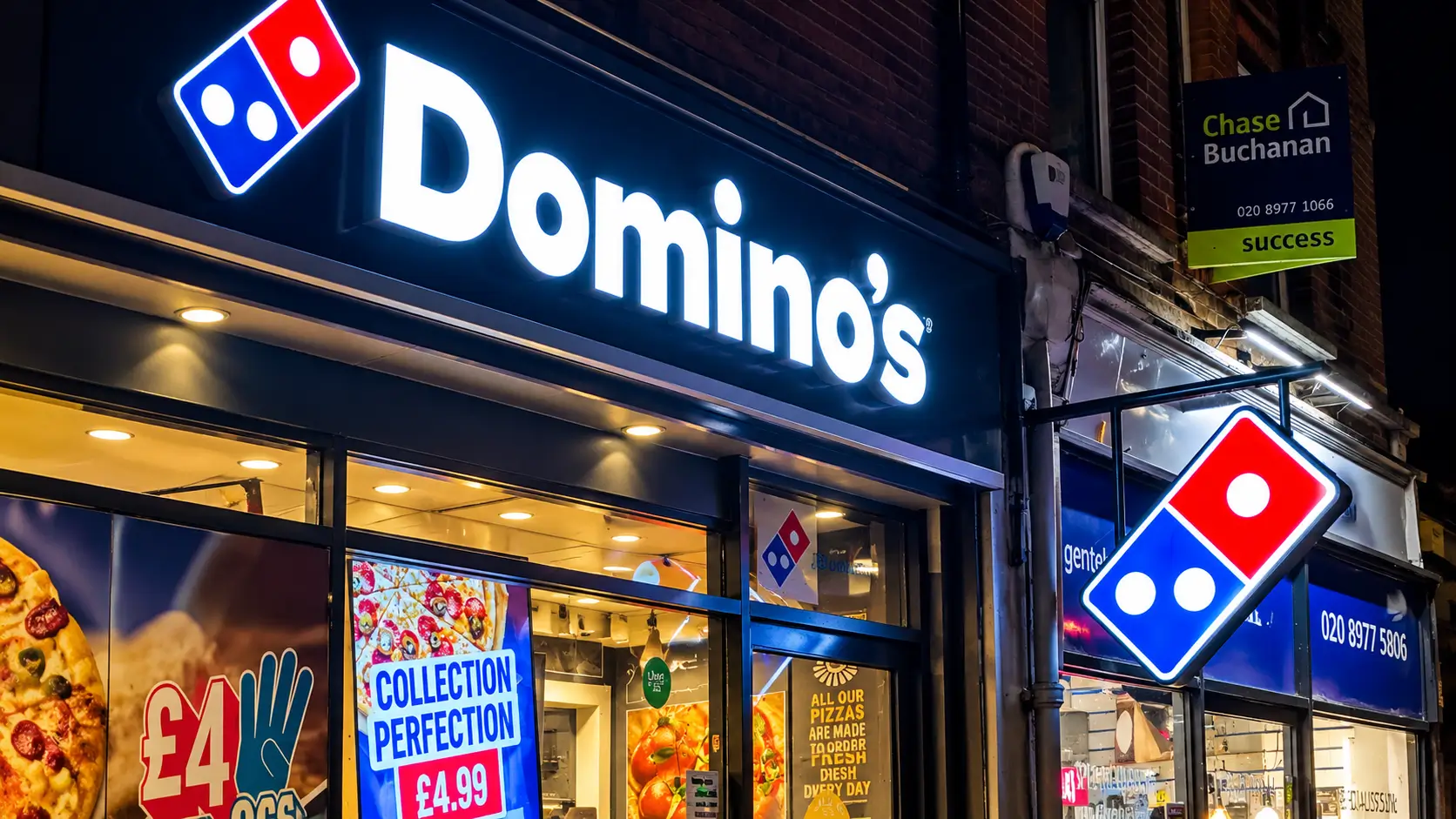
Search “Domino’s Chapter 11” and the headlines can make it look like the pizza giant itself is in trouble. It isn’t. What’s actually happening is more specific, and more interesting: two separate franchisees, operating a small number of Domino’s-branded stores, have run into serious financial trouble in 2026, while corporate Domino’s has continued opening new locations overall.
Here’s the clear breakdown of what’s real.
The Short Answer
Domino’s Pizza, Inc., the parent company, has not filed for Chapter 11 bankruptcy. Two independent franchise operators, who own and run individual Domino’s locations under license, have filed for bankruptcy or closed stores due to financial distress. This is a meaningfully different thing than the brand itself being in trouble, and it’s a common source of confusion whenever a franchise story breaks.
What Actually Happened: Two Separate Franchisee Stories
North County Pizza, Inc. (Oceanside, California)
On March 11, 2026, North County Pizza, Inc., a corporation that owns a single Domino’s location in Oceanside, California, filed for Chapter 11 bankruptcy. According to the court filing, the company owed its top 20 unsecured creditors more than $3.3 million combined, with estimated total liabilities between $1,000,001 and $10 million owed to somewhere between 1 and 49 creditors. Domino’s corporate headquarters was itself listed among the creditors owed money.
Domino’s declined to comment when asked about the filing, and representation for North County Pizza did not respond to press inquiries.
Mile High Pizza Company LLC (Ohio)
A separate and more recent situation emerged in September 2026. Thirteen Domino’s locations in northeast Ohio, operated by longtime franchisee Anthony Satterwhite under the name Mile High Pizza Company LLC, abruptly closed. Domino’s confirmed the closures directly and said it was working on a plan to reopen the stores under new ownership.
Domino’s corporate response was direct: “This is an isolated franchisee matter and is not reflective of the overall strength or performance of the Domino’s brand,” a company spokesperson said. According to Domino’s own franchise disclosure document, Satterwhite had owned as many as 25 locations at the end of the prior year, some of which may have since changed hands before this closure.
How Franchisee Bankruptcy Actually Works
This is the part that clears up most of the confusion. A Chapter 11 filing allows a business to reorganize its debts while continuing to operate, it is not automatically a shutdown. According to the U.S. Courts’ own explanation of the process, a company in Chapter 11 typically proposes a reorganization plan aimed at keeping the business running while paying down creditors over time.
For a franchise business specifically, this matters because the franchisee, not the parent brand, is the entity that owns the real estate lease, the equipment, and the local debt. Domino’s Pizza, Inc. licenses its name and systems to independent operators. When one of those operators runs into financial trouble, it’s their business entity that files, not Domino’s corporately, even though a Domino’s sign remains on the door.
Is Domino’s Corporate in Trouble? The Real Numbers
Here’s where the actual company-wide picture gets more nuanced than a simple yes or no.
Store count is still growing. As of June 2026, Domino’s had 7,231 locations in the United States, a net gain of 26 locations in the second quarter of the year. That’s the opposite of a chain in retreat.
But same-store sales growth has slowed sharply. In Domino’s most recent quarter, US same-store sales growth came in at just 0.1%, compared with 3.4% during the same period a year earlier, a meaningful deceleration that suggests existing locations are seeing softer demand even as the total store count expands.
And the stock has struggled. Shares of Domino’s Pizza Inc. (Nasdaq: DPZ) were down roughly 24% year-to-date and nearly 29% over the trailing 12 months as of recent trading, reflecting investor concern about the slowdown even without any company-wide bankruptcy involved.
The honest picture: Domino’s corporate is not in bankruptcy and is still expanding its footprint, but growth in existing-store sales has clearly cooled, and the stock has priced that concern in.
Domino’s vs. the Rest of the Pizza and Fast Food Industry
These franchisee stories haven’t happened in isolation. 2026 has brought a broader wave of financial pressure across pizza and fast food chains:
Pizza Hut announced plans to close roughly 250 underperforming US locations this year, about a 3% reduction in its total store count, as part of what its executives called a “longer-term acceleration of the brand.” Parent company Yum! Brands subsequently sold Pizza Hut to private equity firm LongRange Capital.
Popeyes, through its Florida and Georgia franchisee Sailormen, Inc., filed for Chapter 11 in January 2026. That franchisee, which owned more than 130 Popeyes locations, cited inflation, declining customer traffic, and roughly $130 million in debt. About 20 total locations had closed as of the most recent reporting.
Against that backdrop, Domino’s two franchisee situations, while real and locally significant, represent a much smaller share of its total footprint than what’s happened at Pizza Hut or Popeyes.
Quick Note: This Isn’t About the Mobile Game
If you landed here after searching “Domino Dreams Chapter 11,” that’s a different topic entirely, a mobile puzzle game called Domino Dreams that organizes its levels into numbered chapters, unrelated to Domino’s Pizza or any bankruptcy filing. This article covers the pizza chain’s franchisee bankruptcy situation, not the game.
Frequently Asked Questions
Did Domino’s file for Chapter 11 bankruptcy?
No. Domino’s Pizza, Inc., the parent company, has not filed for bankruptcy. Two independent franchisees, North County Pizza, Inc. in Oceanside, California, and Mile High Pizza Company LLC in Ohio, have separately dealt with bankruptcy or store closures in 2026.
Is Domino’s going out of business?
No. Domino’s grew its total US store count in its most recent quarter, adding a net 26 locations. However, same-store sales growth has slowed significantly, and the stock has declined sharply this year.
What happens to a Domino’s location when the franchisee files Chapter 11?
The location may remain open during the reorganization process, since Chapter 11 is designed to let a business continue operating while restructuring its debts. Some locations may eventually transition to new ownership, as Domino’s has indicated is happening with the Ohio closures.
Why are Domino’s, Pizza Hut, and Popeyes all having problems at the same time?
Rising costs, softer customer traffic, and heavy debt loads at the franchisee level have pressured several pizza and fast-food chains simultaneously in 2026. The specific situations differ, Pizza Hut’s closures are a company-wide strategic decision, while Domino’s and Popeyes’ issues stem from individual franchisee financial distress.
Is Domino’s stock a good investment right now?
This article doesn’t offer investment advice. What’s publicly known: Domino’s stock is down significantly year-to-date amid slowing same-store sales growth, even as the company continues to add new locations overall. Any investment decision should involve your own research or a licensed financial advisor.
About the Author

Katherine Kerpan is a personal finance writer with over 10 years of experience covering taxes, government benefits, and consumer financial protection. His background includes several years working in tax preparation before moving into full-time financial journalism, and her writing focuses on translating IRS guidance, benefit program rules, and financial policy changes into plain language readers can actually act on.
She pays particular attention to separating confirmed government action from proposals, rumors, and scams, an area where she sees firsthand how quickly misinformation can spread once a payment claim goes viral. Every piece he publishes is checked against primary sources: IRS.gov, official agency statements, and verified legislative text, rather than secondhand claims circulating online.
When she is not writing, Katherine spends time helping family and friends untangle their own tax and benefits questions, which is usually where his best article ideas come from. You can reach Katherine at katheriinekerpan@gmail.com.
More from Insight Bullion