

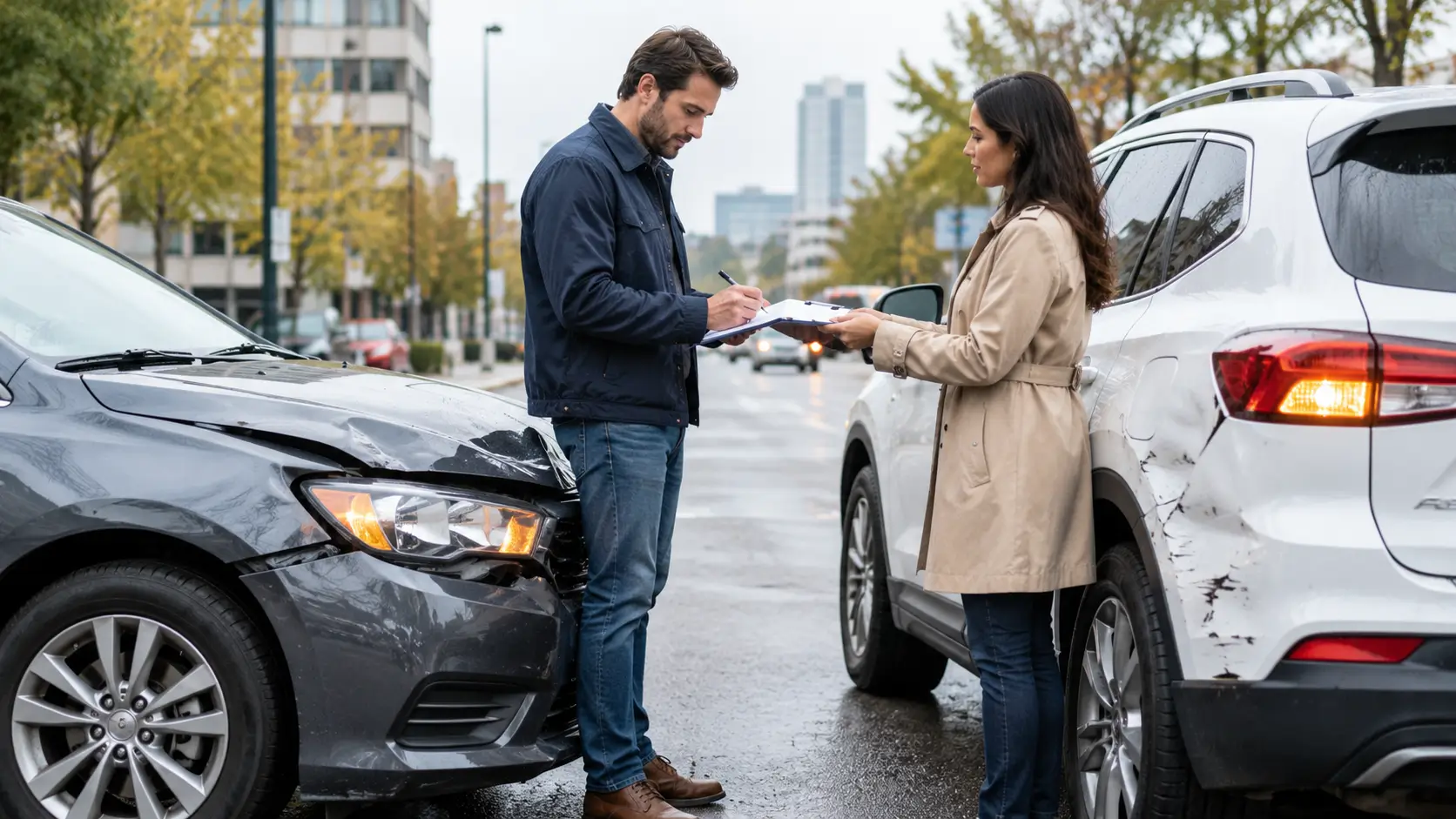
Liability car insurance pays for injuries and property damage you cause to other people in an accident that is your fault, and it can also pay for your legal defense if you are sued. It does not pay to fix your own car or treat your own injuries. Almost every US state requires it, and in California the minimum limits are now $30,000 per person, $60,000 per accident and $15,000 for property damage (30/60/15).
This guide explains what liability coverage pays for, what it leaves out, how limits like 100/300/100 work, what it costs, and how it differs from “full coverage.” It also adds what real drivers say on Reddit, Facebook and personal finance forums. Figures are averages and minimums as of October 2026, and this is general information, not insurance or legal advice. Your policy, state law and insurer decide what applies to you.
Quick Answer: What Liability Car Insurance Covers and Does Not Cover
| Situation | Does liability pay? | What would pay instead |
|---|---|---|
| Other driver’s medical bills after you cause a crash | Yes (bodily injury liability) | Not needed |
| Repairs to the other driver’s car | Yes (property damage liability) | Not needed |
| Fence, mailbox, pole or building you hit | Yes (property damage liability) | Not needed |
| Lawsuit over an accident you caused | Yes, up to your limits | Umbrella policy for amounts above limits |
| Repairs to your own car after a crash | No | Collision coverage |
| Theft, fire, hail, vandalism or hitting an animal | No | Comprehensive coverage |
| Your own medical bills | No | Medical payments (MedPay) or personal injury protection (PIP) |
| Towing your car | No | Optional towing coverage |
What Does Liability Car Insurance Cover?
Liability coverage has two main parts, bodily injury and property damage. Together they protect your finances when you are legally responsible for harming someone else.
Bodily Injury Liability
Bodily injury liability pays when you injure or kill someone in an accident you caused. It can help cover the other person’s medical bills, rehabilitation, lost wages and, in some cases, pain and suffering or funeral costs. It applies to people in other cars, pedestrians and often your own passengers who are not members of your household.
Property Damage Liability
Property damage liability pays to repair or replace property you damage. That includes the other driver’s vehicle and things like fences, mailboxes, utility poles, signs, trees and buildings.
Legal Defense Costs
If the other party sues you over the accident, liability coverage can pay for your legal defense and any judgment or settlement, up to your policy limits. Anything above the limits can become your responsibility.
Who Is Covered Under Your Liability Policy?
Liability coverage usually protects you, family members who live with you and other people who drive your car with your permission. The Illinois Department of Insurance notes it may also pay when a household family member or permitted driver causes the crash.
What Liability Car Insurance Does Not Cover
The most common mistake is expecting liability to pay for your own losses. It will not, which is why many drivers add other coverages.
Your Own Car
If you crash and your car is damaged, you need collision coverage. With liability only, you are responsible for towing, storage, repairs, a rental car or the value of a total loss. One r/Insurance commenter put it plainly: a liability-only policy leaves you solely responsible for those costs.
Theft, Hail, Fire and Animal Strikes
Damage that is not a collision, such as theft, fire, vandalism, hail or hitting an animal, falls under comprehensive coverage. Windshield damage is also typically handled through comprehensive or optional glass coverage, depending on your insurer.
Your Own Injuries
Your own medical bills are not covered by bodily injury liability. You would need MedPay or personal injury protection (PIP), depending on your state. These coverages can pay even when you caused the crash.
What If Someone Else Hits You?
Your liability coverage does not pay for your car when another driver is at fault. Their liability insurance should pay. If they are uninsured or underinsured, uninsured motorist coverage, uninsured motorist property damage coverage or your own collision coverage may help. A Bogleheads poster noted that uninsured and underinsured motorist coverage protects you when the at-fault driver has no insurance or too little.
Liability Car Insurance Meaning: How Limits Like 100/300/100 Work
Your policy’s liability limits are the most the insurer will pay for a covered claim. Anything above them is your responsibility.
Split Limits
Most policies show limits as three numbers. For example, 100/300/100 means:
- $100,000 maximum for bodily injury to one person
- $300,000 maximum for bodily injury per accident
- $100,000 maximum for property damage per accident
Combined Single Limit
Some policies use one number, such as $300,000, that applies to injury and property damage together for one accident.
Example Claim
Say you cause a crash where the other driver’s injury claim settles for $90,000 and their car needs $20,000 in repairs. A 100/300/100 policy could cover both claims, subject to its terms. Under California’s minimum 30/60/15, the same claims would exceed the limits by tens of thousands of dollars, and you could be asked to pay the difference.
You can find your limits on your policy’s declarations page. In other countries, this coverage is often called third-party liability insurance, and in Spanish it is seguro de responsabilidad civil.
How Much Liability Coverage Do You Need?
State minimums are a legal floor, not a safety target. Many insurance professionals suggest at least 100/300/100, and regulators such as the Illinois Department of Insurance advise buying higher limits because minimums may not protect you from lawsuits.
Consider higher limits if you own a home, have savings or expect future income worth protecting. A personal umbrella policy can add extra liability protection above your auto limits.
Higher limits often cost less than people expect. One Leasehackr forum poster reported that moving from 250/500 to 500/500 liability added about $215 a year, while the umbrella policy price changed by about $70 a year. Your quote will differ, so ask your insurer to price a few limit options side by side.
Minimum Liability Car Insurance Requirements
California: 30/60/15
California’s minimum liability limits rose on January 1, 2025, under Senate Bill 1107, the first increase since 1967. The old minimum was 15/30/5.
- $30,000 for injury or death to one person
- $60,000 for injury or death to multiple people in one accident
- $15,000 for property damage per accident
Alternatives and Assistance in California
California also allows a $75,000 cash deposit with the DMV or a $75,000 surety bond instead of insurance, though older web pages may still show $35,000. Income-eligible good drivers may qualify for California’s Low Cost Auto program, and high-risk drivers can apply through the California Automobile Assigned Risk Plan (CAARP).
California requires financial responsibility even for vehicles that are parked on public roads. Driving without it can lead to fines, license suspension, impoundment and registration holds.
Other States Differ
Each state sets its own minimums. For example, Illinois requires 25/50/20, which is $25,000 per person, $50,000 per accident and $20,000 for property damage. Check your state insurance department or DMV for current numbers.
Why Minimums Can Fall Short
A reader on r/Insurance warned that hitting almost any newer car can use up $25,000 quickly. An Avvo answer from a California lawyer pointed out that a $15,000 settlement offer usually means the at-fault driver’s policy limit was reached, leaving the injured person to look elsewhere for the rest.
Liability Car Insurance vs. Full Coverage
“Full coverage” is not an official insurance product. Progressive and other insurers use the term for a policy that combines liability, collision and comprehensive. On Quora, the top answer to this question simply says full coverage does not exist, and r/Insurance commenters repeat the point that you buy each coverage separately.
| Feature | Liability only | “Full coverage” |
|---|---|---|
| Other driver’s injuries and car | Yes | Yes |
| Your car after a crash | No | Yes (collision) |
| Theft, hail, fire, animals | No | Yes (comprehensive) |
| Deductible | No | Yes |
| Required by law | Yes, in nearly every state | No, but lenders and lessors require it |
| Average cost | About $68 a month | About $177 a month |
Costs shown are LendingTree averages, which put liability about 61% below full coverage. WalletHub’s analysis found a similar gap of roughly 64%.
When Liability Only Makes Sense
Liability-only coverage can make sense for an older, low-value car you could replace out of pocket. One Bogleheads rule of thumb is to drop comprehensive when the car is basically ready for replacement, and several posters say comprehensive is much cheaper than collision. It rarely makes sense for a new, financed or leased car, since lenders require physical damage coverage.
What Real Drivers Report Saving
A Bogleheads member compared a six-month premium of $595 with full coverage to $268 for liability only, a saving of about $54 a month. A Tesla owner group member said they pay $65 a month for liability and uninsured motorist coverage on an older Model S, compared with $350 a month for full coverage.
How Much Does Liability Car Insurance Cost?
Liability-only insurance in the US averages roughly $54 to $99 a month, depending on the source and the limits used.
| Source | Average liability-only cost |
|---|---|
| LendingTree | About $68 a month ($816 a year) |
| MoneyGeek | About $68 a month (May 2026) |
| MarketWatch | About $73 a month ($874 a year) |
| WalletHub | About $720 a year |
| NerdWallet | $648 a year for a good driver with good credit, $952 with an at-fault accident |
California Liability Costs
California averages differ by source: Insurify reports about $98 a month for liability and $203 for full coverage, while other sources list around $64 a month or $575 a year for minimum limits. Compare quotes for the same limits, since the 2025 increase to 30/60/15 raised baseline coverage.
What Changes Your Price
The Illinois Department of Insurance lists the main rating factors: age, gender and marital status, coverage limits, driving record, household drivers, location, type of vehicle, annual mileage and credit information. A Bogleheads thread showed one car costing 2.6 times as much as another to insure for the same liability coverage.
Real users report wide ranges. One poster on Quora pays about $35 a month for an old 2004 car, while a couple in their 40s with a clean record said their liability-only premium was still around $1,450 for six months. Compare quotes from several insurers.
Liability Car Insurance for an 18-Year-Old
Young drivers pay the most. Standalone liability-only averages for an 18-year-old range from about $186 a month (Insurify) to $204 (LendingTree) and $235 (ValuePenguin). The Zebra puts full coverage near $495 a month. Adding a teen to a parent’s policy cost an average of $2,735 a year in a Forbes Advisor analysis cited by Progressive.
Ways to lower the cost include staying on a parent’s policy, asking for a good student discount (often a B average), driving an older, safer car and using a telematics program.
Real-world reactions show the sticker shock. Commenters on r/Insurance generally say that an 18-year-old living at home is expected to be on the parents’ policy, and a Facebook parent group’s top reply suggested having the teen pay the amount added to the bill. A Bogleheads parent said adding a teen raised their large umbrella policy from about $1,000 to $3,400 a year. Consider higher liability limits for teen drivers, since Progressive notes teens carry higher accident risk.
Liability Car Insurance for a Rental Car
Rental companies must provide the state minimum liability coverage, which is often low. If you own a car, your personal auto policy usually extends liability coverage to personal-use rentals in the US and Canada. Credit card rental benefits generally cover damage to the rental car, not liability.
Rental counters also sell supplemental liability insurance (SLI), typically $10 to $44 a day, to raise your limits, sometimes up to $1 million. It may be worth considering if you do not own a car, are visiting from abroad or want higher limits than your personal policy provides.
Forum opinions vary. A Bogleheads reply says rental liability should match your current coverage, while some travel forum users say you should always buy liability when renting in the US. Call your insurer to confirm before you travel. Rules differ abroad: for example, third-party liability is compulsory in Turkey and in the UK.
How to Get Liability Car Insurance Quotes and Lower the Price
- Compare the same coverages and limits. Get written quotes for identical limits so prices are comparable.
- Ask for a non-bound application before switching. The Illinois Department of Insurance advises this so you know the real price before canceling your current policy.
- Check the insurer. Confirm it is licensed in your state, look at complaint ratios and review financial strength.
- Ask about discounts. Common ones include good driver, multiple vehicles, low mileage, good student, defensive driving and auto and home bundles.
- Shop each year. Rates change as your age, credit, vehicle and location change.
What Real Drivers Say About Liability Car Insurance
“Full Coverage” Confuses Many Drivers
A recurring answer on Quora, Reddit and in Justia legal Q&A is that there is no “full coverage” product, only a combination of coverages. Facebook commenters comparing the two often say to ask your agent, because it depends on your situation.
State Minimums Feel Too Low
Redditors in r/Insurance discussing California suggested limits far above the minimum, such as $250,000 per person and $500,000 per accident with a $1 million umbrella. Others note that a single serious accident can exceed the minimum.
Older Cars Often Go Liability Only
Many forum users move to liability-only once a car is old and paid off, often keeping uninsured motorist coverage. Quora’s top answer for California drivers suggests at least liability plus uninsured and underinsured motorist coverage.
Price Shock Is Common
Posts about monthly premiums range from very low to over $200. Clark Howard community members and r/Insurance threads show that clean records do not always mean cheap rates, which is why comparing multiple quotes matters.
Frequently Asked Questions
What does liability car insurance cover?
Liability car insurance covers injuries and property damage you cause to others in an at-fault accident, plus related legal defense costs. It includes bodily injury liability and property damage liability, up to your policy limits.
What does liability car insurance not cover?
Liability does not cover damage to your own car, theft, fire, hail or weather damage, or your own medical bills. Those require collision, comprehensive and medical payments or PIP coverage.
Does liability insurance cover my car if someone hits me?
No. If the other driver is at fault, their liability insurance should pay for your car. If they are uninsured or underinsured, uninsured motorist coverage or your own collision coverage may apply.
What is the difference between liability and full coverage?
Liability pays for other people’s injuries and property. “Full coverage” is a common term for liability plus collision and comprehensive, which also protect your own car.
How much liability car insurance do I need?
State minimums are the legal requirement, but many insurance professionals suggest at least 100/300/100. If you have a home or savings, consider higher limits or an umbrella policy.
What is the minimum liability car insurance in California?
California requires 30/60/15: $30,000 per person and $60,000 per accident for injury or death, and $15,000 for property damage. These limits took effect on January 1, 2025.
How much does liability car insurance cost per month?
Liability-only coverage averages about $54 to $99 a month nationally, with many sources near $68. Costs depend on your age, driving record, location, vehicle, limits and credit.
Does liability insurance cover rental cars?
Rental companies must provide state-minimum liability, and your personal auto policy often extends liability to personal-use rentals in the US and Canada. Credit cards generally do not cover liability.
Does liability car insurance cover hail, theft or hitting a deer?
No. Those events fall under comprehensive coverage. Liability only pays for harm you cause to others.
Can an 18-year-old get liability-only car insurance?
Yes. A standalone liability-only policy for an 18-year-old averages about $186 to $235 a month, and staying on a parent’s policy is usually cheaper.
What does 100/300/100 mean?
It means $100,000 per person and $300,000 per accident for bodily injury liability, and $100,000 for property damage liability per accident.
About the Author

Chris Tzitzis writes about personal finance, taxes, investing and cryptocurrency, with more than 10 years of experience explaining money topics to everyday readers. His work focuses on turning rules and fine print, including how crypto is taxed, into clear steps people can verify for themselves. You can reach Chris at christzitziis@gmail.com.
More from Insight Bullion